Short reading notes for a better property conversation. These are general preparation guides, not reports on Crown Hill investments.
01 / Building quality
Look at the everyday details.
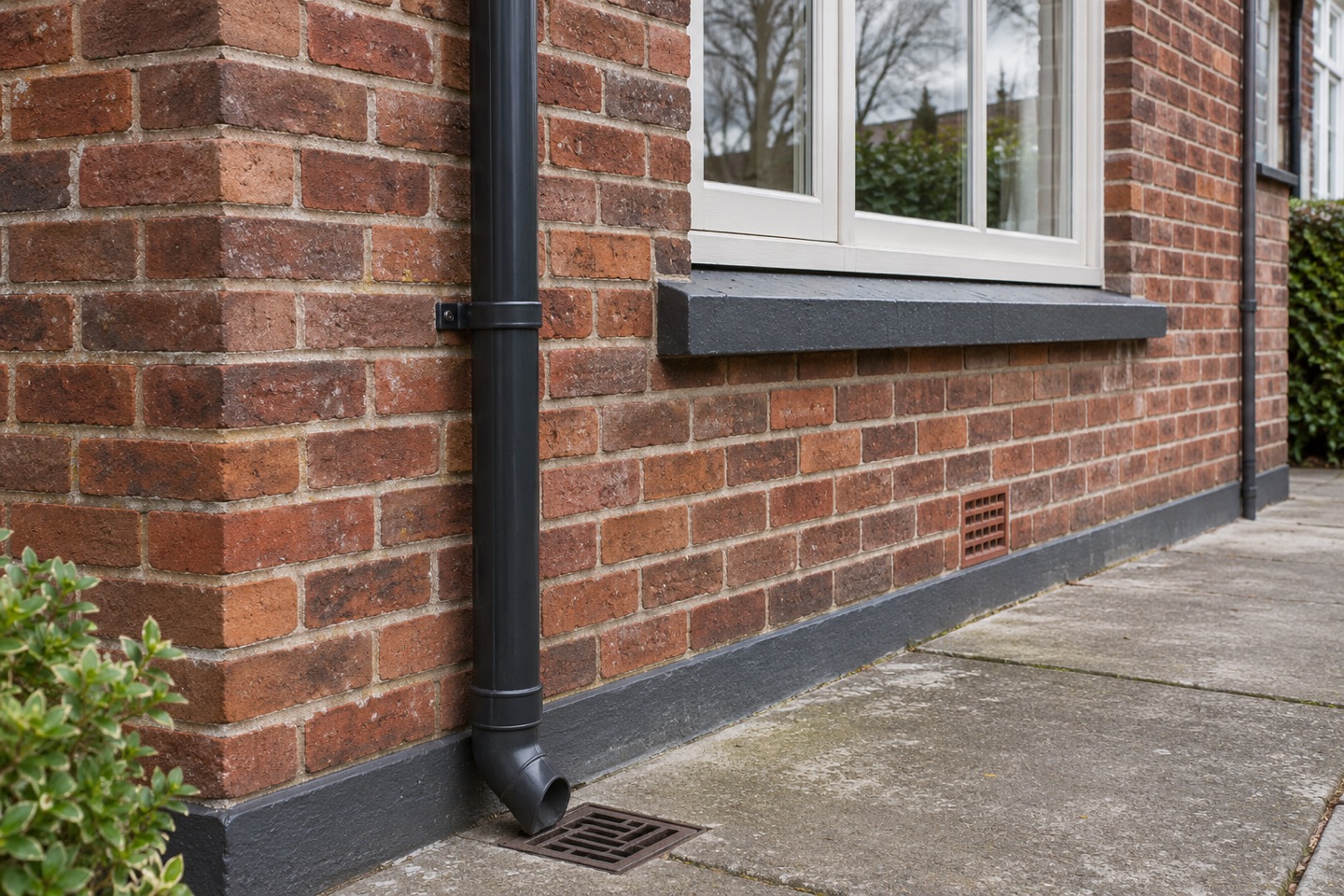
Illustrative property image. Not a Crown Hill holding.
Finishes are easy to photograph. How a building works is harder to show in a few images. For a higher-end property, layout, daylight, privacy, storage, access and the quality of shared areas all deserve a place in the description.
Start with use. Who uses the space today, and what does the layout make easy or difficult? Where are the awkward transitions, recurring problems or dependencies on adjoining areas?
Then look at the evidence of care: maintenance records, recent works and the condition of ordinary details. They can help identify the right questions without turning a visual impression into a technical conclusion.
Independent inspection, measured plans and relevant professional advice remain important. An image tells part of the story; a property decision needs more.
A useful file has an index, a date and an identifiable source. Start with a short summary of what is included and what is still missing. Separate current documents from older versions.
Plans should show their date and origin. Financial information should identify its period and distinguish actual records from forecasts. Condition reports should identify the author, inspection date and scope.
Keep a list of open questions beside the documents. A note saying “not yet verified” is more useful than allowing an assumption to read as a fact.
Share only the information needed at the relevant stage. Redact tenant identification, account details and unrelated personal material. Confidentiality and further disclosure arrangements should be agreed before sensitive records are exchanged.
Illustrative property image. Not a Crown Hill holding.
A work history should make it possible to understand what changed and why. Keep the original issue, agreed scope, completion date and supporting documents together.
Separate a repair from a planned upgrade. Note whether a job is complete, partly complete or still awaiting approval. If an estimate is old or excludes related work, say so.
For recurring maintenance, record the next review point and who is responsible. For larger work, keep the inspection, specification and completion information alongside the cost record.
This does not need to become a complicated system. A consistent, current file is the goal. It makes a later inspection, handover or ownership discussion easier to follow.